
 Back
Back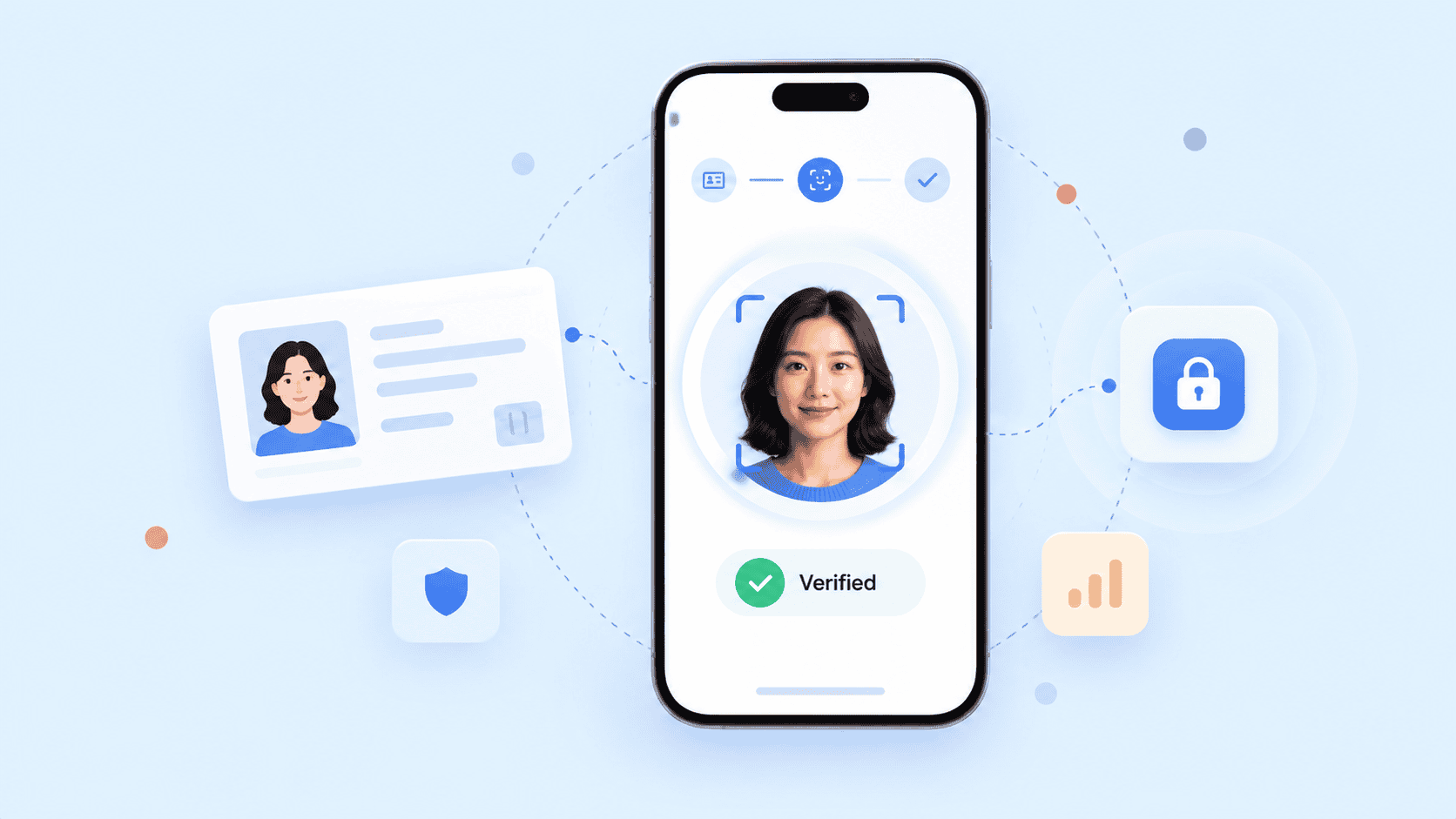
A clean ID scan is no longer enough to establish that a remote applicant is the person they claim to be. Modern identity proofing solutions need to validate identity evidence, connect that evidence to a real person, detect presentation and injection attacks, and produce a decision that compliance and fraud teams can understand.
This comparison looks specifically at software for KYC, remote onboarding, and fraud prevention. The emphasis is not simply on feature count. It is on how well each platform handles identity evidence, biometrics, liveness, risk signals, privacy, workflow control, and higher-assurance requirements such as NIST Identity Assurance Level 2 (IAL2).
Key takeaways
- Identity proofing is broader than checking whether an ID image looks authentic. It must establish that the claimed identity exists and that the applicant is legitimately associated with it.
- NIST IAL2 identity proofing supports multiple evidence and verification pathways, so buyers should not assume one selfie workflow equals IAL2 compliance.
- KYC teams should compare documentary verification, authoritative data checks, liveness, duplicate detection, sanctions screening, review tools, and audit outputs together.
- Privacy architecture matters because remote identity proofing can expose government IDs, facial imagery, addresses, government identifiers, and other sensitive data.
- The most useful pilot measures approval quality, fraud catches, manual review volume, fallback behavior, and completion rates rather than relying on a vendor’s headline pass rate.
What identity proofing software needs to do
Identity verification and identity proofing are related, but they are not interchangeable.
A document authenticity check answers one question: does the submitted identity evidence appear valid? Identity proofing goes further. It needs to establish the claimed identity, validate evidence and attributes, and determine whether the applicant is genuinely associated with that identity.
The current NIST Digital Identity Guidelines for identity proofing define requirements across Identity Assurance Levels 1, 2, and 3. At IAL2, organizations need stronger evidence collection, validation, and verification than at IAL1.
That distinction matters during procurement. A vendor saying it offers document verification, face matching, or “NIST-ready” technology does not automatically establish that the full workflow meets your required assurance level.
For KYC, there is another layer. U.S. Customer Identification Program requirements are risk based and can use documentary methods, non-documentary methods, or both. The FFIEC Customer Identification Program guidance explains that covered institutions need procedures that let them form a reasonable belief that they know the true identity of each customer.
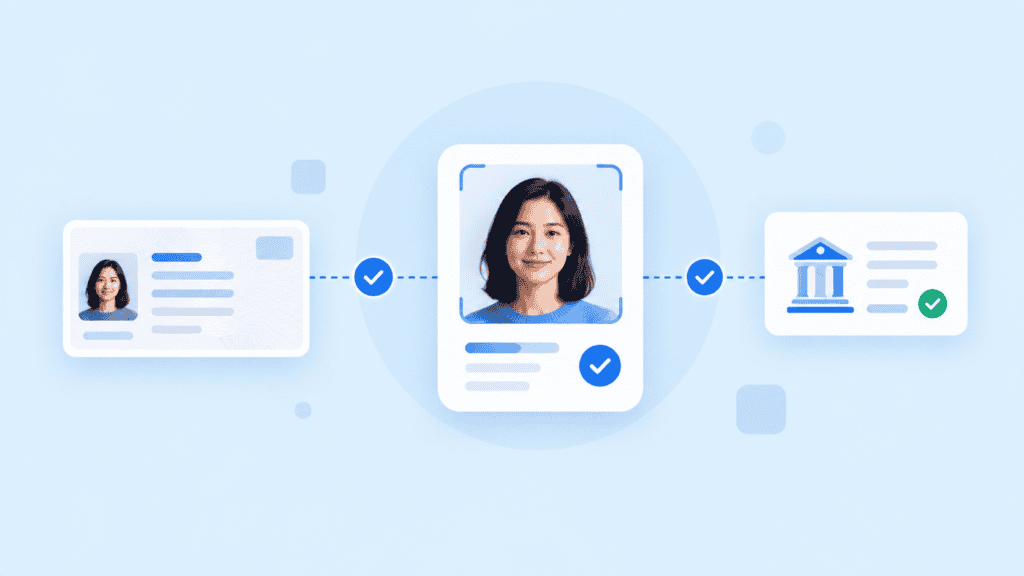
In practice, strong identity proofing software may combine:
- Government ID capture and authenticity analysis.
- Extraction and validation of identity attributes.
- Selfie-to-ID biometric comparison.
- Passive or active liveness detection.
- Authoritative database or system-of-record checks.
- Device, velocity, duplicate, and fraud intelligence.
- Sanctions, politically exposed person, and other AML screening where required.
The right combination depends on the risk of the transaction. Opening a regulated financial account should not necessarily use the same proofing flow as creating a low-risk community profile.
Top 10 identity verification platforms
This comparison focuses on fit for KYC and fraud prevention rather than claiming one product is universally superior. Product coverage, regional support, regulatory requirements, and commercial terms should all be verified during procurement.
| Platform | Strongest fit | Main consideration |
| PrivateID | Privacy-focused, higher-assurance remote proofing | On-device biometric architecture |
| Jumio | Large regulated onboarding programs | Broad KYC and AML workflow coverage |
| Trulioo | International data and document verification | Global data-source depth |
| Veriff | Fast document and selfie onboarding | User capture and fraud controls |
| Entrust | Enterprise digital identity programs | Broad identity and security portfolio |
| Socure | U.S. fraud and identity intelligence | Risk scoring and synthetic identity focus |
| Mitek | Financial services and document-heavy KYC | Document capture and layered IDV |
| ID.me | Government and higher-assurance U.S. identity | Reusable identity and assisted proofing |
| Sumsub | KYC, KYB, AML, and transaction monitoring | Broad compliance platform scope |
| Stripe Identity | Stripe-centric products and marketplaces | Straightforward developer integration |
1. PrivateID
PrivateID is particularly relevant when an organization wants to increase identity assurance without automatically sending raw biometric imagery to a centralized server.
Its identity platform combines government ID capture, document authenticity checking, data extraction, authoritative record checks, selfie-to-ID comparison, liveness detection, and configurable KYC workflows. The platform also supports use cases where NIST-aligned identity assurance is a requirement.
The architectural difference is important. PrivateID performs key biometric operations on the user’s device. That can reduce the amount of sensitive biometric material that needs to move through or reside in centralized infrastructure.
For teams building remote onboarding, PrivateID’s document verification technology combines document capture and authenticity checks with on-device data extraction and selfie-to-ID portrait matching. Organizations facing presentation attacks or deepfake risks can pair those checks with on-device liveness detection as part of a layered identity workflow.
This makes PrivateID worth evaluating for financial services, marketplaces, workforce verification, regulated services, and other workflows where privacy architecture is part of the security decision rather than an afterthought.
2. Jumio
Jumio is designed around regulated customer onboarding and combines identity document analysis, facial biometrics, liveness, database checks, and AML-related capabilities.
Its strongest fit is generally an organization that wants multiple KYC controls from a mature verification provider instead of assembling several narrow point products.
During a pilot, test more than the standard passport-and-selfie path. Pay attention to how the platform handles damaged IDs, unsupported evidence, poor camera conditions, conflicting customer data, and cases that require manual intervention.
Jumio is likely to make the shortlist for banks, fintechs, gaming businesses, and other companies where identity verification sits inside a wider compliance process.
3. Trulioo
Trulioo stands out for global identity data coverage and the ability to combine data-based and documentary verification.
That matters for companies entering multiple markets. A workflow that performs well against U.S. credit-header or telecom data may have poor coverage elsewhere. International onboarding therefore benefits from software that can vary its evidence and data sources by geography.
Trulioo can combine personal data verification with government ID checks, biometrics, and fraud signals. It is especially relevant for cross-border fintech, payments, remittance, and marketplace use cases.
When comparing it with other identity proofing vendors, examine actual verification coverage for your user countries rather than using a global country count alone. A provider can technically support a country while still having uneven source quality for particular demographics.
4. Veriff
Veriff focuses heavily on the document-and-selfie verification experience.
Its capture flow can guide users when an image is blurred, poorly positioned, or otherwise unsuitable before verification is submitted. That sounds like a minor UX detail, but capture quality can directly affect false rejection rates and manual review volume.
Veriff also combines document analysis, face comparison, liveness, and fraud detection for remote onboarding.
It is a strong candidate for digital products that care about completing identity checks quickly while still detecting manipulated media, replay attempts, and fraudulent documentation.
5. Entrust
Entrust incorporates identity verification capabilities into a broader digital identity and security portfolio.
Its identity verification offering includes document checks, biometric verification, data verification, workflow orchestration, and fraud signals. That broader scope can suit enterprises that want identity proofing to connect with authentication, credentials, signing, or other trust services.
The main procurement question is scope. A large enterprise identity suite may be useful if several teams need it, but unnecessarily complex if your only requirement is a narrow onboarding check.
For large regulated organizations, however, having verification and downstream identity controls under a broader security program can be attractive.
6. Socure
Socure is particularly associated with identity intelligence, fraud risk, and U.S. digital onboarding.
It is worth evaluating when the problem extends beyond obviously forged documents. Synthetic identities can combine legitimate and fabricated information in ways that make individual attributes appear plausible.
Socure’s document verification capabilities can complement broader identity and fraud signals, making it a relevant option for banks, lenders, fintech companies, and other U.S.-heavy programs.
During testing, compliance and fraud teams should look closely at decision outputs. A score is only useful if your organization knows what action to take at different thresholds and how legitimate exceptions will be handled.
7. Mitek
Mitek has a long-standing position in image capture and document verification and now offers a broader verified identity platform.
Its identity proofing software can combine documents, biometrics, liveness, risk signals, AML controls, and fraud detection in configurable journeys.
Mitek is particularly relevant for banks, lenders, and financial institutions where government identity documents remain a major part of onboarding.
A useful proof of concept should test document quality across actual customer devices. Do not limit the test set to crisp passport scans. Use worn licenses, glare, weak lighting, older phones, and real document varieties from your target countries.
8. ID.me
ID.me has a different model from many API-first identity verification companies because reusable verified identities are central to its approach.
It supports automated remote identity proofing as well as assisted and in-person paths for users who cannot complete the standard flow. That makes it particularly relevant to government services, benefits programs, healthcare, and other environments where excluding users who fail automation creates a serious operational problem.
ID.me is also closely associated with higher-assurance U.S. identity use cases.
It is less likely to be the default choice for a startup that simply wants an embedded document check. It becomes more compelling when higher-assurance identity, federation, identity reuse, and fallback access routes are strategic requirements.
9. Sumsub
Sumsub provides a broad compliance stack spanning identity verification, business verification, AML screening, fraud prevention, and transaction monitoring.
That breadth can reduce the number of separate systems a compliance team needs to connect. It can also make Sumsub relevant for crypto, fintech, marketplaces, gaming, and cross-border businesses with several regulatory workflows.
The trade-off is that a broad platform deserves a broad evaluation. Test not only KYC completion but also case management, screening alerts, ongoing monitoring, workflow configuration, and reviewer permissions.
Companies choosing between specialist identity proofing solutions and a larger compliance suite should decide early whether they want one platform to own most of the customer risk workflow.
10. Stripe Identity
Stripe Identity is a practical choice for products that already depend on the Stripe ecosystem.
It supports verification checks involving government identity documents and selfies, along with selected data-based verification methods. For an engineering team already working with Stripe APIs and dashboards, implementation may require less integration work than introducing an entirely separate identity stack.
Its strongest fit is often a marketplace, platform, or online business where identity verification supports payments or payouts rather than operating as a separate enterprise identity program.
Teams with complex assurance requirements should still compare workflow control, geographic coverage, advanced fraud defenses, biometric handling, and manual review against dedicated identity proofing vendors.
How to evaluate identity proofing solutions
Vendor demos tend to show the easiest possible applicant: current ID, modern phone, clean lighting, matching data, and no fraud.
That is almost the opposite of a useful procurement test.
Build a pilot around the cases that create expense or risk in production. At minimum, include legitimate users who are difficult to verify and simulated fraud cases your controls are supposed to catch.
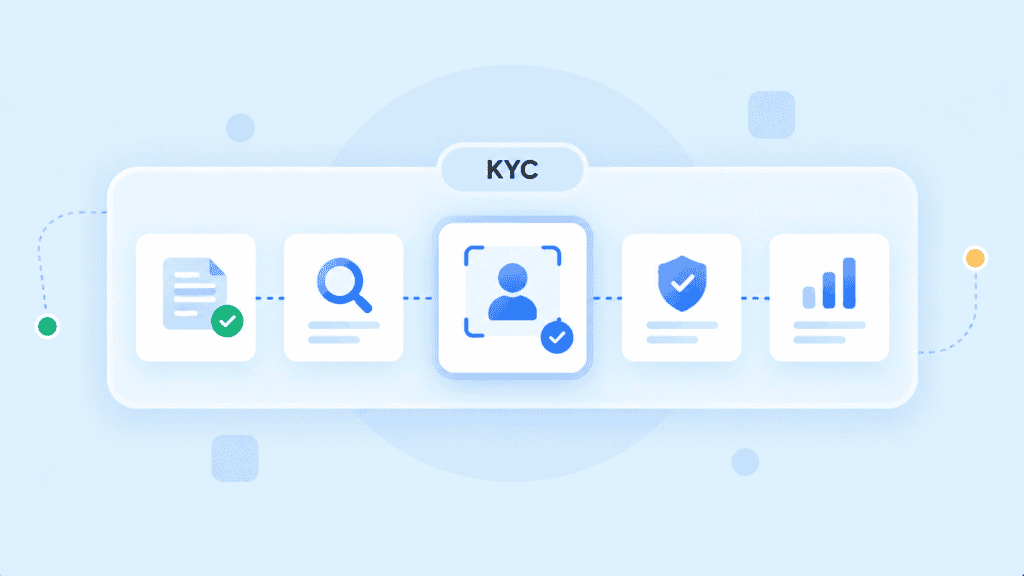
A practical evaluation should cover five areas.
First, test evidence coverage. Identify the actual passports, driver licenses, national IDs, digital credentials, and secondary evidence your users present. Verify regional support at the document level, not only the country level.
Second, test capture failures. Deliberately submit glare, blur, cropped edges, poor lighting, expired documents, and older camera images. Good remote identity proofing should tell the user what to correct rather than simply returning a generic failure.
Third, test ownership and presence. A valid ID may be stolen or borrowed. Evaluate selfie matching, liveness detection, presentation attack detection, injection resistance, and the fallback process when biometrics cannot be used.
Fourth, test risk decisions and review. Feed duplicate identities, data mismatches, unusual devices, repeat attempts, and screening alerts into the workflow. Reviewers should receive enough information to understand why a case was escalated.
Finally, test privacy and retention. Map every sensitive element: ID images, extracted data, selfies, biometric representations, screening results, and reviewer notes. Ask where each item is processed, where it is stored, how long it remains available, and how deletion works.
This last test can reveal major differences between identity proofing solutions that otherwise look almost identical on a feature checklist.
A practical remote identity proofing workflow
A strong workflow starts with the assurance level and risk of the transaction, not with a demand that every user perform every available check.
For a regulated remote onboarding journey, the first stage may collect core identity attributes and initial device or fraud signals. Those signals can help determine whether the user follows a normal path or needs additional verification.
The next stage validates identity evidence. A document-based flow may check document type, expiration, security features, barcode or machine-readable data, extracted attributes, and evidence of tampering. Where available, authoritative records can provide another validation layer.
The workflow must then establish that the applicant owns the evidence. Depending on the assurance model, that could involve biometric face comparison, a validated address or account, attended review, or another approved method.
This is where NIST identity proofing differs from simply adding a selfie to an ID scan. NIST separates identity resolution, evidence validation, and verification of the applicant’s connection to that evidence. Organizations targeting IAL2 should map the complete workflow against the applicable requirements rather than evaluating individual components in isolation.
After identity verification, KYC or customer due diligence rules can apply additional checks. For a U.S. bank, for example, the Customer Identification Program must use risk-based identity verification procedures and document how failures or discrepancies are handled.
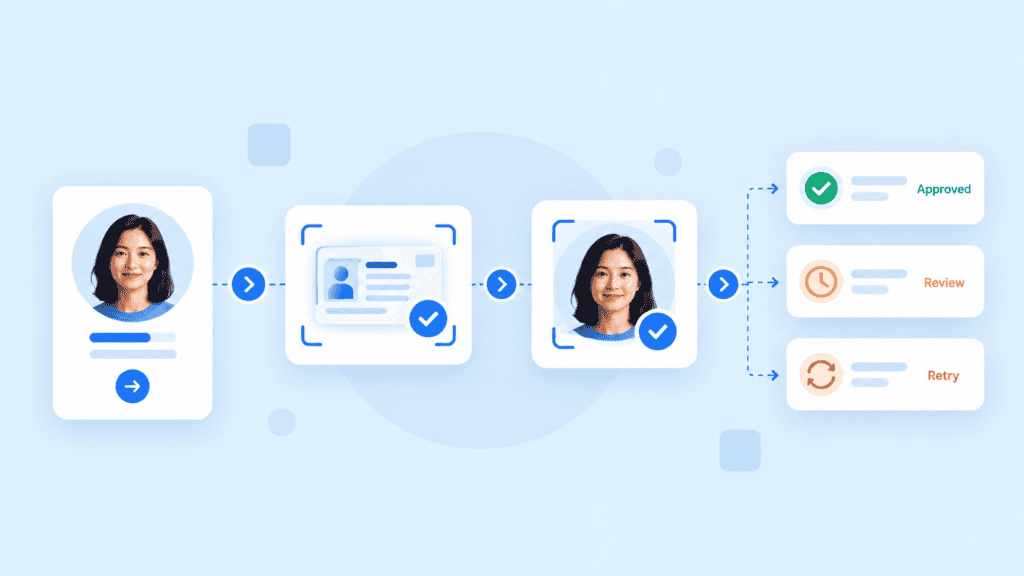
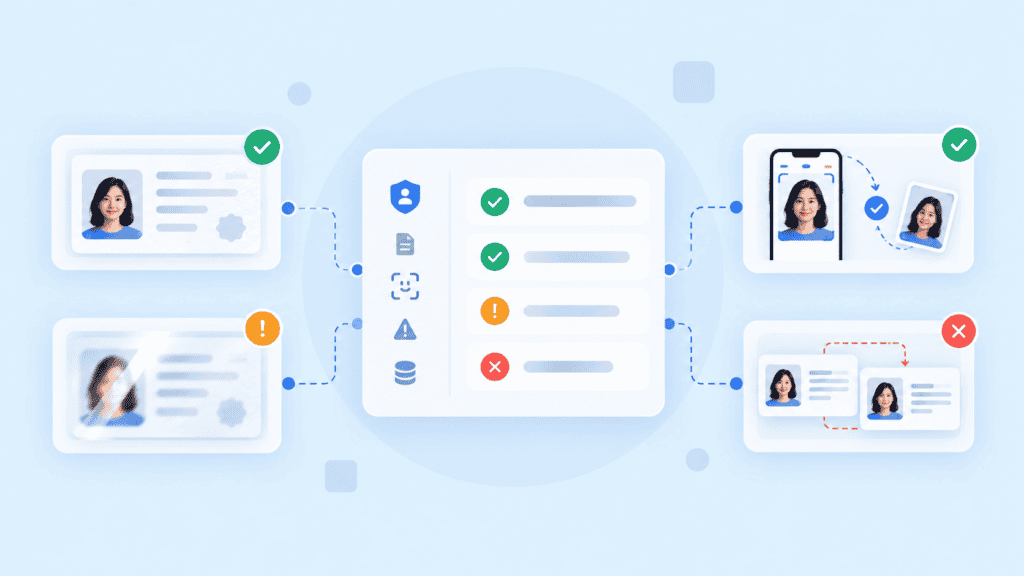
The final output should be operationally useful. Instead of returning only approved or failed, the system should make it possible to distinguish cases such as:
- Document capture quality was insufficient and the user can retry.
- Identity evidence could not be authenticated.
- The applicant could not be linked to the submitted evidence.
- Liveness or anti-spoofing controls detected a suspicious attempt.
- Identity attributes conflicted with an authoritative source.
- A compliance or fraud rule requires manual review.
Those distinctions reduce support guesswork and make manual review more consistent.
There is also a newer procurement question: can the workflow accept cryptographically verifiable digital evidence rather than requiring a photo of a physical card?
In September 2026, FinCEN and federal banking agencies clarified that state-issued mobile driver’s licenses and other government-issued credentials may be used for qualifying identity verification under the Customer Identification Program Rule. The FinCEN guidance on verifiable digital credentials gives financial institutions an official reference for these digital identity methods.
That makes support for verifiable credentials increasingly relevant when comparing remote identity proofing platforms. A system designed only around photographing physical identity documents may require more architectural change as digital evidence becomes more common.
Conclusion
The strongest identity verification platform is not the one with the longest feature list. It is the one that can establish the required level of identity assurance for your real users while detecting the fraud patterns your business actually faces.
Test evidence quality, applicant ownership, fallback behavior, privacy architecture, review tooling, and decision outputs together. That produces a much more meaningful comparison than pass rate, verification speed, or country count on its own.
FAQs
What are identity proofing solutions?
Identity proofing solutions establish that a claimed real-world identity exists and that the applicant is legitimately associated with it. They can use identity documents, authoritative records, biometrics, digital credentials, validated addresses, and other evidence depending on the required assurance level.
What is the difference between identity proofing and identity verification?
Identity verification is usually one part of identity proofing. Verification focuses on establishing that the applicant is associated with validated evidence, while the wider proofing process can also include identity resolution, evidence validation, attribute validation, and enrollment.
What does IAL2 identity proofing require?
NIST IAL2 requires stronger evidence and verification than IAL1 and is intended to establish confidence that a real-world identity exists and that the applicant is associated with it. The precise evidence and validation requirements depend on the proofing method used.
Can remote identity proofing meet NIST IAL2?
Yes. NIST permits remote identity proofing at IAL2 when the complete process satisfies the applicable evidence collection, validation, verification, and process requirements.
Is KYC software the same as identity proofing software?
No. Identity proofing establishes confidence in a person’s identity. KYC can include identity verification plus customer due diligence, sanctions and PEP screening, risk classification, beneficial ownership checks, transaction monitoring, recordkeeping, and other regulatory processes.
How should a company test identity proofing vendors?
Run a controlled pilot with your actual document mix, user devices, legitimate edge cases, and representative fraud scenarios. Measure successful completion, false rejects, fraud catches, retry rates, manual review volume, reviewer clarity, and the amount of sensitive data the workflow collects or stores.
Why does privacy architecture matter in identity proofing?
Identity proofing can involve highly sensitive material such as passports, licenses, government identifiers, facial images, addresses, and biometric information. Where that data is processed, transmitted, retained, and deleted affects breach exposure, privacy obligations, and the amount of risk your organization assumes.